Top Yachting Destinations

Explore the most popular yachting destinations in the Mediterranean and beyond. From historic coastlines to turquoise bays, these are the regions sailors love most.

Archipelago

Zadar regon | North Dalmatia

The Zadar archipelago is one of Croatia’s most diverse sailing regions, known for its crystal-clear sea, peaceful islands, hidden bays and authentic Mediterranean atmosphere. Spread across hundreds of islands and islets, it offers everything from lively coastal towns to quiet anchorages surrounded by untouched nature. This area is especially popular among sailors because of its short sailing distances, beautiful landscapes and easy access to islands such as Dugi Otok, Molat, Silba, Premuda and the stunning Kornati Islands. Whether you are looking for relaxed island hopping, nature parks, local restaurants or quiet sunsets at anchor, the Zadar archipelago offers a true Adriatic sailing experience.

Jun – Sep42 bases

Best time to visit

Go in late spring or early autumn The Zadar archipelago is best explored outside the peak summer rush. May, June, September and early October offer pleasant sailing conditions, warm enough sea temperatures, and far fewer crowds than July and August. This is especially useful if you plan to visit Kornati National Park, Molat, Silba or Premuda, where the real charm comes from quiet bays, relaxed island villages and slow days at sea.

How to get there

Start from Marina Dalmacija, Sukošan The best starting point for sailing this area is Marina Dalmacija in Sukošan, near Zadar. It is one of the largest and best-equipped marinas in Croatia, with a wide choice of sailing yachts, catamarans and motor boats. Its location is ideal for exploring the Zadar archipelago, Kornati Islands and the northern islands such as Molat, Silba and Premuda. Zadar Airport is also nearby, which makes arrival simple for international crews.

Insider tips

Don’t miss Telašćica Nature Park and the Grpašćak viewpoint While sailing through the Zadar archipelago, make time for a stop at Telašćica Nature Park on Dugi Otok. Start by visiting Lake Mir, the famous salt lake located inside the park. Surrounded by rocky landscapes and Mediterranean nature, it is one of the most unique swimming spots in the Adriatic. Afterwards, head towards the Grpašćak viewpoint, one of the most impressive panoramic spots on the Croatian coast. Located 161 meters above sea level, it offers breathtaking views over Telašćica Bay, Lake Mir and the dramatic cliffs of Dugi Otok. These cliffs, known locally as “stene,” rise up to 200 meters above sea level and descend around 90 meters into the sea, creating one of the most fascinating natural landscapes in Croatia. Just above the cliffs stands the Grpašćak fortress, adding another layer of history and character to this unforgettable sailing destination.

Tropical / Exotic

Little Farmer’s Cay: Hidden Caves and Turquoise Trails

Tucked away in the Exuma island chain, it is a place where the pace slows down and the adventures are found off the beaten path.

Dec – May3 bases

Best time to visit

The best window is late November through April. This period offers the most comfortable temperatures and manageable trade winds. Pay close attention to the wind direction when planning your approach. If you are coming from the Lee Stocking area, consider using Guillot Cut rather than longer routes to capitalize on favorable sailing angles and save time.

How to get there

By Sea: Most visitors arrive via private boat or charter. Navigating the Exuma banks requires careful attention to the tides and "reading the water" for depth. By Air: You can take a small charter flight into the Little Farmer’s Cay airstrip from Nassau or Great Exuma (Georgetown). Navigation Tip: When sailing the cuts, be prepared for "tricky winds." Tacking through narrow openings requires a nimble crew and a close watch on the current.

Insider tips

While the cave pools look inviting for a swim, be warned: they are home to small, "flesh-eating" shrimp. These tiny crustaceans will nip at your legs if you stay still too long. It’s a memorable (if slightly painful) experience! Don't miss the snorkeling near the cuts. The area is teeming with life; keep an eye out for grouper, barracuda, and the rare albino stingray that frequents these waters. Little Farmer's Cay is small. Stock up on essentials before arriving, though you can usually find fresh bread and local catch from the friendly residents in town. Always time your snorkeling and cave exploration with the tides. The clarity of the reefs and the accessibility of certain coastal paths change significantly between high and low water.

Island

The Most Dangerous Island you WANT to visit

Known as the "Unspoiled Queen," this tiny Dutch Caribbean island is a dramatic volcanic peak rising sharply from the sea.

Jan – May17 bases

Best time to visit

The ideal window is December to April. This is the dry season, offering the most stable weather for hiking Mount Scenery and the clearest visibility for diving. Note: Saba is located in the hurricane belt. Be cautious when planning trips between August and October, as the island is historically a frequent target for major storms.

How to get there

For Sailors: Be prepared for deep water. The anchorage is nearly 15 meters (50 feet) deep with rocky floors; it is highly recommended to secure a mooring ball rather than attempting to anchor. By Air: Fly into St. Maarten (SXM) and take a 15-minute "puddle jumper" flight via Winair. You’ll land on the Juancho E. Yrausquin Airport, famous for having the world’s shortest commercial runway. By Sea: A high-speed ferry (The Edge or Dawn II) runs from St. Maarten, taking about 90 minutes.

Insider tips

You can't visit Saba without tackling the highest point in the Kingdom of the Netherlands. About the hike: This isn't a casual stroll; it’s a natural stair-stepper workout consisting of over 1,000 stone steps. You’ll pass through lush tropical rainforests before emerging into a misty "cloud forest" at the summit. On a clear day, the 360-degree views of neighboring islands like St. Eustatius and St. Kitts are unparalleled.

Island

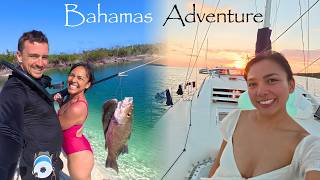
The Ground-Truth: The Bahamas

This is the ultimate classroom for blue-water living

Dec – May8 bases

Best time to visit

The sweet spot is November through April. This peak season offers the most reliable sailing conditions and lower humidity. If you want to avoid the crowds and aren't afraid of a few afternoon showers, May and June are excellent "shoulder" months—you’ll get calmer seas for snorkeling and better access to remote anchorages before the heat of hurricane season fully kicks in

How to get there

Most trips start by flying into Nassau (NAS). From there, the "real" Bahamas requires a shift in scale. Take a puddle jumper (charter or scheduled island-hopper) to reach the smaller cays like Staniel Cay or Great Exuma. Once you arrive at the boat, your primary mode of transport becomes the dinghy—essential for navigating the shallow "false blue holes" and reaching the best spearfishing spots.

Insider tips

The Intake Rule: In the Bahamas, your generator is your lifeline, but the floating plastic debris and sea grass in these waters are relentless. Always check your raw water intake immediately if you hear a change in the generator's hum; clearing a blockage early prevents a total system shutdown. Shark Protocol: When spearfishing for snapper or hand-feeding from the boat, visibility is your best friend. Only dive in clear water so you can see an approaching shark from a distance. If you're successful with a spear, get the fish out of the water and onto a chase boat immediately to avoid unwanted attention. Human Curation over GPS: Digital charts are great, but local knowledge is better. Engaging with other cruisers and locals at the docks will give you the current "ground-truth" on which cays have the best visibility and where the sharks are currently most active.

Island

The Coromandel Peninsula, New Zealand

Solo adventurer’s week-long journey through New Zealand’s Northland and Coromandel regions.

Dec – Jan0 bases

Best time to visit

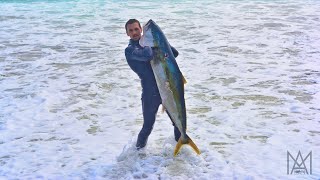
Don’t trust the brochure-perfect weather. We saw heavy winds and an intense "easterly storm" that completely dictates your schedule. Visibility sub-surface can swing wildly, dropping to as low as 4 meters in some spots. It’s a reminder that in locations this remote, you aren't in control—the elements are. From a boating and spear-fishing standpoint, this area is high-stakes. While "off the grid" spots offer the best opportunities, the presence of large predatory fish and shark activity is a factor you can't ignore.

How to get there

If you’re looking for a curated, easy-access vacation, this isn't it. The reality of getting to the northernmost point involves a grueling two-hour trek down cliffside paths with loose shell surfaces. Even the campsites require a real commitment—navigating seemingly endless dirt roads through thick forest. But that’s the filter; it keeps the crowds out and the environment intact.

Insider tips

The best move here isn't found in a search engine; it’s connecting with the local DOC rangers. They have the ground-level intel on conditions and, occasionally, the right equipment to help you bridge the gap between the shore and the deeper water. Moving away from the main towns is the only way to find the "real" version of this coast.

Archipelago

Greece

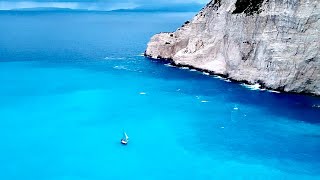
Sailing from Vasoliki to Zakinthos Greece. Visiting the famous ship wreck cove. Some drone shows showing the areas.

Apr – Oct17 bases

Best time to visit

Greece has one of the most reliable sailing seasons in the world, running roughly April through October. April – May (Shoulder Season) Quieter anchorages, lower prices, and green landscapes. Weather is generally mild but can be unsettled, with variable winds. Great for experienced sailors who don’t mind some unpredictability. June – mid-July (Sweet Spot) Widely considered the best time to sail Greece. Warm, settled weather, the Meltemi wind hasn’t fully kicked in yet, and the crowds are manageable. Mid-July – August (Peak Season) The Meltemi — a strong, dry northerly wind — dominates the Aegean, particularly around the Cyclades. It can blow Force 4–6 regularly, sometimes stronger. Exhilarating sailing but not ideal for beginners or those wanting relaxed anchorages. Very busy and expensive. The Ionian Sea is much calmer and better suited to leisurely sailing in this period. September – October (Second Sweet Spot) Many experienced sailors’ favourite time. The Meltemi fades, temperatures are still warm, the water is at its warmest, crowds thin out and prices drop. Arguably the best balance of good sailing and good weather. November – March (Off Season) Most charter companies close up. Unpredictable weather, many island facilities shut down.

Island

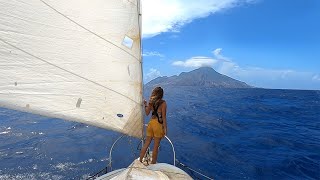
Nisiros | Greece Hidden Gem

A unique, remote volcanic island accessible only by occasional ferry or private boat, where you can literally walk across a live crater floor amidst smoking fumaroles and bubbling mud.

May – Jun44 bases

Best time to visit

Go Early The pre-season is the sweet spot. You’ll avoid the crushing summer heat and the crowds, and prices remain relatively cheap. The moderate temperatures make it much easier to actually explore the rugged terrain without burning out.

How to get there

While there are a few ferries from neighboring islands, they are infrequent and unreliable. But I suggest getting there via private boat. There is a small marina just east of the main town where you can dock practically right on the street—it’s incredibly convenient and puts you exactly where you need to be.

Insider tips

Rent scooters immediately. It’s the only way to see the entire island, from the remote, hidden beaches to the ancient castle ruins and wildlife. Standing inside the crater of an active volcano is a surreal experience. Walking among the smoking fumaroles and bubbling mud is a mandatory "bucket list" moment. Head to "Locanda" at the top of the island. It boasts a 4.9 rating and the views from the summit are tremendous.

Coastal

Around Fethie Bay (Turkey)

Fethiye Bay is a premier sailing destination renowned for its "12 Islands," turquoise lagoons, and pine-fringed coves. It offers a perfect blend of calm, sheltered waters for relaxed cruising and fascinating archaeological sites, including ancient Lycian rock tombs accessible right from the shore.

May – Dec63 bases

Best time to visit

The sailing season is one of the longest in the Mediterranean, stretching from April through November. While July and August offer vibrant energy and heat, the "sweet spot" is during September and October, when the crowds thin out and the water remains exceptionally warm.

How to get there

The region is easily accessible via Dalaman International Airport (DLM), located just a 45-minute drive from the main marinas in Fethiye and Göcek. Most charter guests opt for a pre-arranged private shuttle, though taxis and frequent airport buses are readily available.

Insider tips

For a truly serene experience, drop anchor in "Aquarium Bay" at sunrise before the daily excursion boats arrive. For dinner, steer toward the hidden gems of Skopea Bay, where small, family-run waterfront restaurants offer fresh Mediterranean mezes that can only be reached by boat.